
Replace Electrical Panel Like a Pro: When, Why, and How to Upgrade Safely
By Business in Sacramento CountyReplace Electrical Panel Like a Pro: When, Why, and How to Upgrade Safely
If your home’s lights dim when you turn on the microwave or breakers trip for no apparent reason, it might be time to Replace Electrical Panel. This essential upgrade keeps your home safe, energy-efficient, and capable of supporting modern appliances and smart technologies. Whether you’re renovating, adding an EV charger, or simply updating an older home, understanding when and how to replace your electrical panel can prevent future problems and costly repairs.
Step 1: Recognize When It’s Time to Replace
Most electrical panels have a lifespan of 25–40 years. If your home was built before the 1990s and has never had an upgrade, there’s a good chance it’s outdated. Signs it’s time to Replace Electrical Panel include:
- Breakers that frequently trip
- Outlets that spark or feel warm
- Flickering or dimming lights
- Burn marks or corrosion on the panel
- A buzzing or humming sound from the circuit box
These symptoms aren’t just inconvenient — they’re warnings that your system can’t handle current electrical loads safely.
Step 2: Understand Why Panel Replacement Matters
Electrical panels control the flow of power throughout your home. Over time, aging components can loosen, corrode, or lose efficiency. Continuing to rely on an old panel can lead to fire hazards, appliance damage, or complete electrical failure. Replacing it ensures that every circuit receives consistent power while protecting your home from overloads and short circuits.
Upgrading also prepares your home for modern additions like solar systems, home offices, and electric vehicle charging — all of which require reliable capacity.
Step 3: Plan the Upgrade
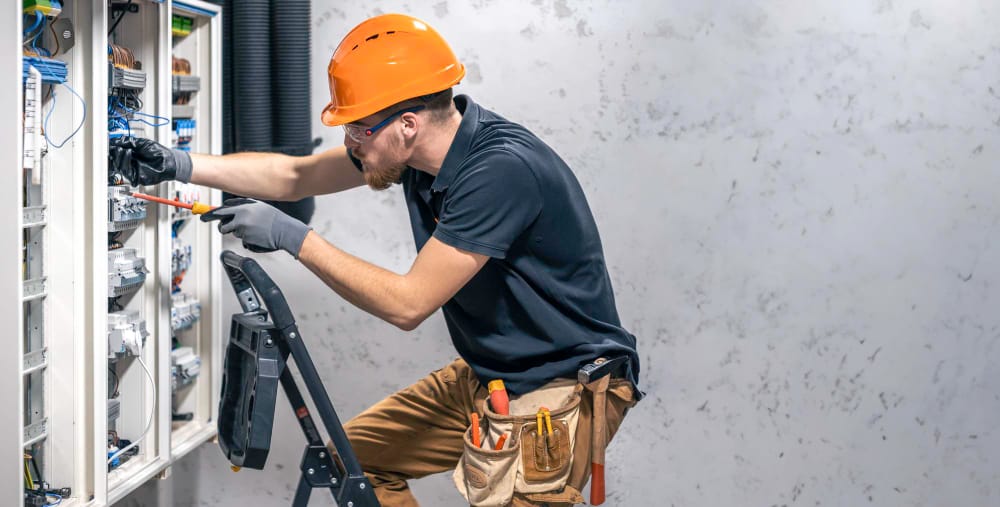
Panel replacement isn’t a quick DIY project. It involves shutting off your home’s power supply, removing the old panel, and installing new circuits and breakers to meet California code. A qualified Sacramento electrician will assess your existing system, recommend the correct amperage (usually 200 amps for most homes), and coordinate permits and inspections with local authorities.
Professional planning ensures a seamless transition with minimal downtime and zero code violations.
Step 4: Know What the Process Involves
Replacing an electrical panel typically takes 6–8 hours and includes several stages:
- Inspecting the current panel and verifying amperage
- Securing necessary permits from the city
- Shutting down power and safely removing the old panel
- Installing new breakers, wiring, and grounding systems
- Connecting circuits and testing for performance
- Scheduling a final inspection by Sacramento building officials
Depending on your home’s setup, temporary power may be provided for critical systems during installation.
Step 5: Choose the Right Replacement Panel
When planning to Replace Electrical Panel, choosing the right model is essential. Options vary by amperage, breaker type, and safety features. Your electrician will help you determine whether you need a 100-, 150-, or 200-amp system based on household demand.
Modern panels often include advanced safety features such as arc-fault circuit interrupters (AFCIs) and surge protection — must-haves for homes with sensitive electronics. Premium models also support future add-ons like solar inverters and EV chargers.
Step 6: Prepare Your Home
Before the upgrade, clear the area around your existing panel. Electricians need at least three feet of workspace for safety and compliance. Notify your family about the temporary power outage and unplug sensitive electronics to avoid damage from residual surges. The smoother the workspace, the faster the installation.
Step 7: Evaluate the Cost
In Sacramento, the cost to Replace Electrical Panel typically ranges between $2,000 and $4,500, depending on complexity, amperage, and panel brand. Costs may increase if rewiring, grounding updates, or service mast replacements are required. Always request a detailed written estimate that includes labor, parts, and permit fees to avoid surprises later.
Investing in quality components ensures long-term reliability and compliance with California’s electrical safety regulations.
Step 8: Check for Permit and Inspection Requirements
California law requires that all electrical panel replacements be performed by a licensed C-10 contractor and approved by local inspectors. Permits confirm that your system meets state safety codes and can safely handle modern electrical demands. A professional electrician will handle the entire process — from applying for permits to passing the final inspection.
Step 9: Think About Energy Efficiency
Upgrading your panel improves energy distribution, reducing wasted electricity and extending the life of your appliances. According to *Home Transformation Magazine*, homeowners who upgrade outdated electrical systems see up to a 15% improvement in energy efficiency and a noticeable decrease in power fluctuations. The result? A safer, more stable home with lower utility costs.
Step 10: Enjoy Peace of Mind
Once the replacement is complete, you’ll benefit from reliable power, fewer breaker trips, and greater safety. Modern panels require less maintenance and provide room for expansion if your energy needs grow. Whether you’re remodeling or just future-proofing, this upgrade ensures your home is ready for decades of dependable service.
Final Thoughts
Knowing when and how to Replace Electrical Panel can save you from expensive damage and dangerous hazards. Partnering with a trusted Sacramento electrician guarantees the job is done safely, efficiently, and to the highest standards. A properly installed panel isn’t just a functional improvement — it’s a long-term investment in your home’s safety, performance, and value.